The long-held belief that blue light from phones is a major cause of poor sleep is being challenged by new research. While blue light has been linked to disrupting the body’s internal clock and suppressing melatonin, the hormone that helps you sleep, recent studies suggest its impact may be smaller than previously thought. Researchers found little clear evidence that blue light alone significantly affects sleep compared to other types of light, shifting the focus away from colour and towards overall light exposure.
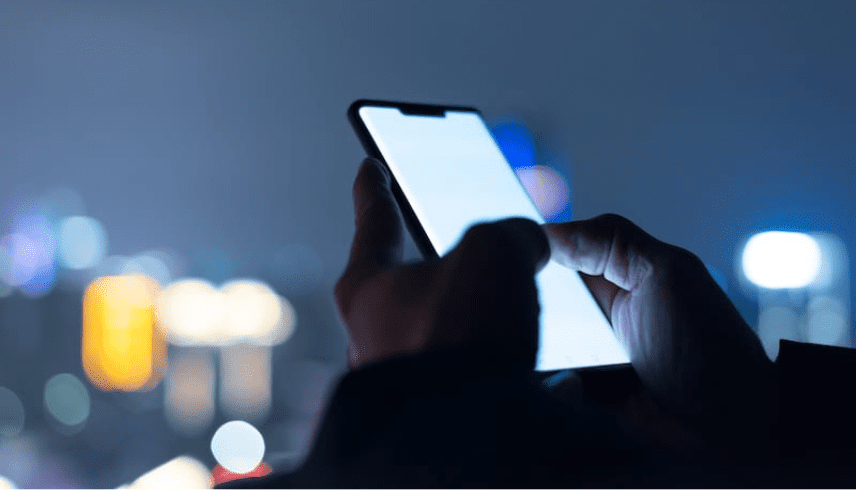
Instead, scientists now believe that brightness and timing of light exposure play a bigger role than the specific type of light emitted by screens. Even dim light of any colour can influence the body’s sleep cycle, and real-world habits, like how long you use your phone or how bright the screen is, matter more than whether it emits blue light.
Sleep disruption is often caused by behaviour rather than the light itself. Activities like scrolling, watching stimulating content, or staying mentally engaged late at night can keep the brain alert and delay sleep. Experts suggest that reducing screen time before bed, lowering brightness, and creating a consistent nighttime routine are more effective ways to improve sleep than simply relying on blue-light filters or glasses.