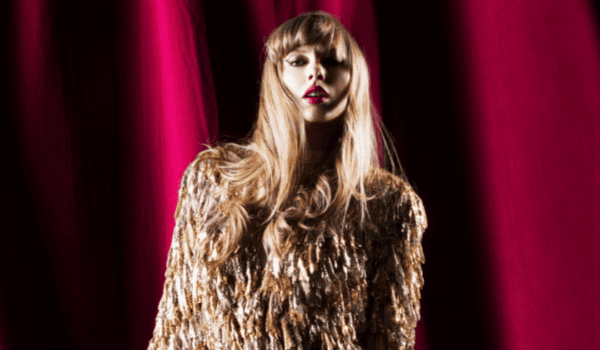
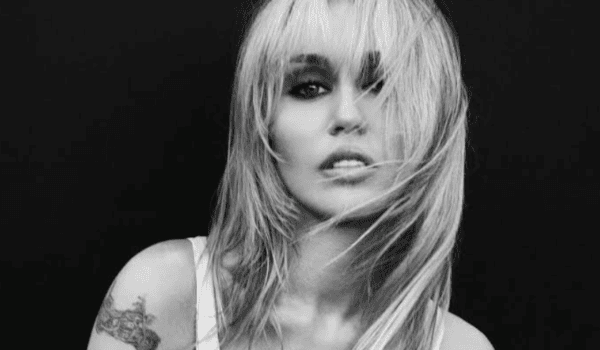
If you looked at the music charts a couple of decades ago, you could generally expect them to be dominated by music released relatively recently. Today, things are considerably less straightforward. Older songs from the 1980s, 1990s and 2000s are regularly finding their way back into the charts and streaming Top 50s, sitting alongside current stars such as Olivia Rodrigo. For example, in the UK, artists including Oasis, Michael Jackson, The Goo Goo Dolls, Radiohead and Bon Jovi have all found themselves back in the mix, creating a music landscape where songs from completely different generations can compete side by side.
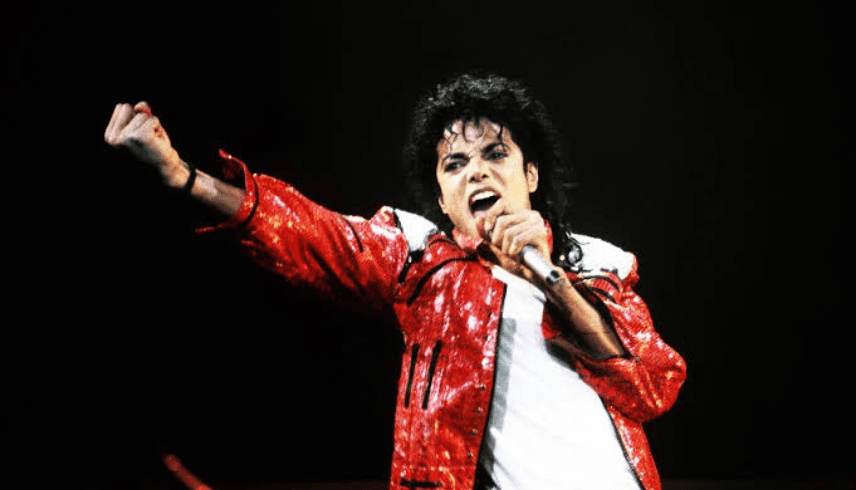
One of the biggest reasons is the way we now discover music. TikTok has become particularly powerful at turning snippets of songs into viral moments, and there is no requirement for those songs to be new. Tracks such as Dominic Fike’s “Babydoll”, Eminem’s “Mockingbird” and Mac Miller’s “Cinderella” have all found new audiences years after their original releases. The same thing can happen when a song appears in a successful film or TV show. Kate Bush’s “Running Up That Hill”, originally released in 1985, became a global number one in 2022 after featuring in Stranger Things. Suddenly, a song that belonged to another generation could feel completely current to millions of younger listeners.
Streaming has also fundamentally changed the way younger listeners discover older music. In the past, discovering an artist from decades earlier might have involved a parent, a friend, a record collection or a trip to a music shop. Now, almost an entire history of recorded music is sitting in the same apps as the latest releases. A teenager can hear a 1990s song on TikTok, search for the artist on Spotify and immediately listen to their entire catalogue. They don’t necessarily experience that music as “old music” at all. It’s simply something they have discovered for themselves. TikTok’s own 2025 UK music report highlighted younger users discovering older tracks such as Radiohead’s “Let Down” and the Black Eyed Peas’ “Rock That Body” through the platform.
That creates an interesting challenge for the idea of the modern superstar. Previous generations had artists such as Michael Jackson or The Beatles who could become enormous cultural figures far beyond their individual fanbases. Today’s audiences have access to such a huge range of artists, genres and eras that music culture is becoming increasingly fragmented. There are still enormous contemporary stars, but listeners are more likely to exist within their own individual musical bubbles rather than sharing exactly the same handful of artists with everyone around them. Even some of today’s biggest global streaming artists, including Taylor Swift, The Weeknd and Bruno Mars, have been established for more than a decade.
And this is where artificial intelligence could add another layer to the story. Streaming platforms can analyse what we listen to and recommend more music based on our existing preferences, potentially making discovery incredibly personalised. But the wider music landscape suggests that discovery isn’t necessarily becoming narrower. In some ways, it has become almost limitless. A listener can move from a brand-new pop release to a 40-year-old classic, a forgotten album track or a song that suddenly went viral on TikTok, all within a few taps. The result is a fascinating new era where “new music” doesn’t always mean newly released music. Sometimes the newest song in someone’s world is one that everyone else heard 20, 30 or even 40 years ago.