Cloud seeding is a scientific technique used in the UAE to increase rainfall by modifying existing clouds rather than creating new ones. It works by introducing tiny particles, usually salts, into clouds, which act as nuclei for water droplets to form around. These droplets then grow larger and heavier until they eventually fall as rain. Essentially, the process gives clouds a helping hand to release moisture they already contain.
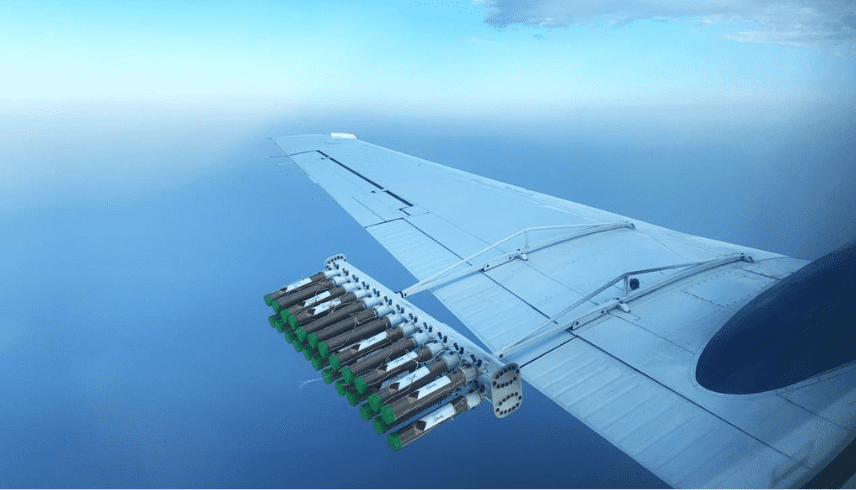
In the UAE, the process is carefully planned using advanced weather monitoring systems. Meteorologists analyse data from satellites, radars, and ground stations to identify suitable clouds, particularly cumulus clouds that already hold moisture. Aircraft are then deployed to release seeding materials into the clouds.
The goal of cloud seeding is not to guarantee rain, but to increase the likelihood and amount of precipitation in a dry climate. The UAE has become a global leader in this technology, using innovations like nanomaterials and ongoing research to improve effectiveness. However, experts emphasise that it only works under the right weather conditions and cannot produce large-scale storms on its own.
Ultimately, cloud seeding is part of a broader strategy to address water scarcity in the UAE. By enhancing natural rainfall, the country aims to support water resources and sustainability efforts in its desert environment, while continuing to invest in new technologies to make the process more efficient and reliable.