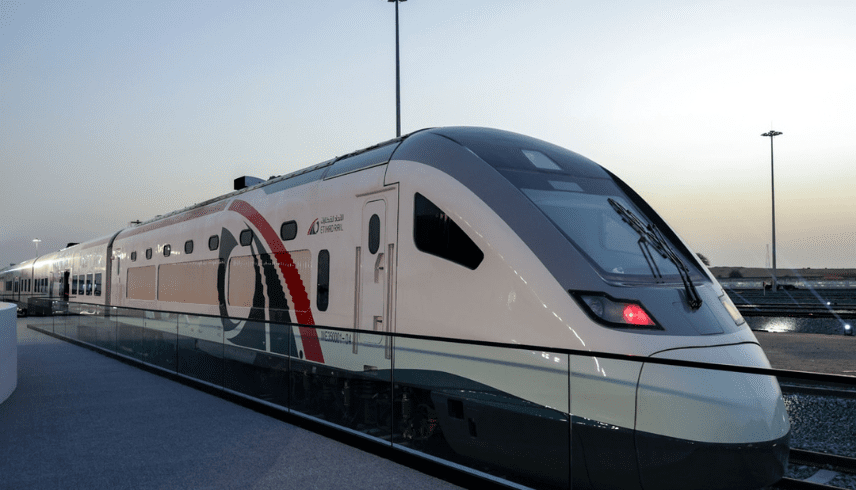
Etihad Rail’s forthcoming passenger network, linking 11 cities and regions across the UAE, isn’t just a transport upgrade; it could reshape where people choose to live and work. By offering a predictable, sub-90-minute commute from places like Ajman, Ras Al Khaimah and Fujairah into major job centres such as Dubai and Abu Dhabi, the rail may expand the practical “commuter belt” beyond traditional road-based limits. Analysts point out that reliable travel times are often more important than speed alone, as they allow residents to plan daily routines with confidence rather than face unpredictable traffic.
Property market behaviour is already showing signs of change: rental demand and prices in more affordable Northern Emirates communities have been rising, driven by their appeal for families and value-seeking residents even before passenger services begin. Experts expect tenants to move first to rail-connected areas, followed by investors once commuting patterns are established. In the longer term, developers may prioritise higher-density, transit-oriented communities near stations, potentially narrowing rent differentials between emirates and making outer areas attractive living options for a broader segment of the population.