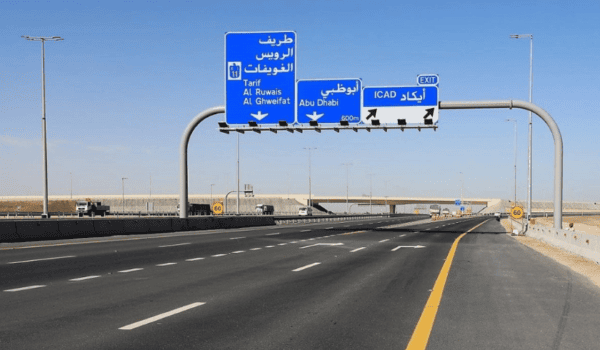
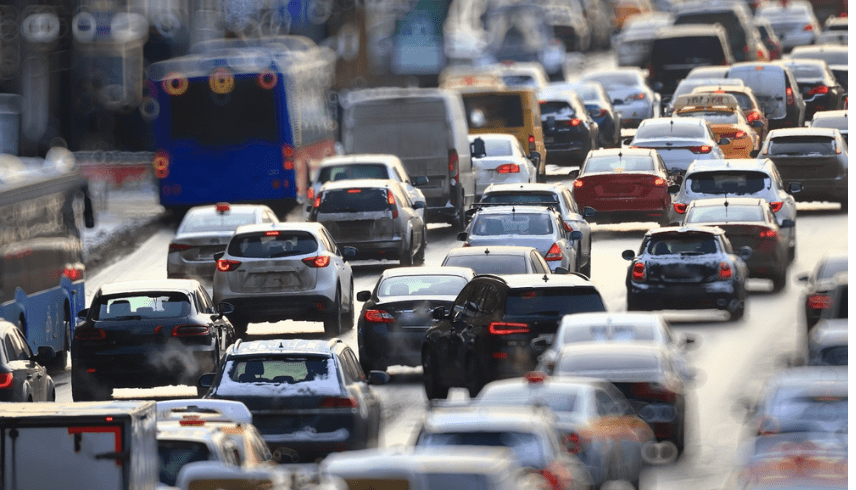
As the UAE enters Ramadan 2026, traffic patterns across the country shift significantly because of shorter working hours and changes in daily routines, and commuters should prepare for distinct peak periods and persistent bottlenecks. During the morning rush (about 8:30 am–10:30 am), major arterial routes such as Sheikh Zayed Road (E11) in Dubai and Emirates Road (E311) and Al Wahda Road between Sharjah and Dubai experience heavy congestion, even though the start time is later than typical non-Ramadan peaks. The worst traffic window of the day is the 45 minutes before Iftar (around 5:00 pm–7:15 pm) as families hurry home to break the fast, with speeds dropping sharply on main highways. A secondary surge occurs from about 8:30 pm to midnight as people head out to malls, night markets and prayers, with notable crowding near major destinations like Dubai Mall and Mall of the Emirates.
To help manage travel during these busy periods, drivers are advised to plan trips outside the busiest windows and use navigation apps like Google Maps or Waze to find smoother routes. Local authorities also offer alternatives such as public transport options (e.g., Dubai Metro and buses) that can bypass road congestion during peak travel times. Carpooling with colleagues or friends can reduce the number of vehicles on the road, while leaving earlier or later than peak windows makes daily commuting more predictable during the holy month. Authorities remind motorists to allow extra time, drive carefully during fasting hours, and exercise patience, especially around Iftar, when roads are at their most crowded.
Channel 4 | UAE Number One Radio Station | Radio Advertising Dubai | Radio Advertising RAK | Radio Advertising Sharjah | Radio Advertising UAQ | Fujairah | Abu Dhabi | FM Radio Advertising UAE | Advertise On Radio Dubai | Radio Media Brands UAE | Local Radio Advertising UAE | Sharjah Ads | Ads In RAK | Advertise In Abu Dhabi | Best Advertising Platforms In The UAE | Radio Stations In Dubai | FM Radio Stations UAE | Listen Live Radio Dubai | UAE Radio Listen Live | Online Radio UAE | Dubai FM Radio Live Streaming | Number 1 Radio Station | Number One In The UAE | English radio station Dubai | English radio station Dubai | Hit music radio UAE | Top 40 radio Dubai | International hits FM UAE | Morning radio shows Dubai | Drive time radio UAE | Listen live FM radio Dubai | Listen live FM radio Sharjah | Listen live FM radio RAK | Listen live FM radio Ajman | Listen live FM radio Fujairah | Listen live FM radio Abu Dhabi | Free Live Radio UAE | Largest FM Radio Network | UAE entertainment news | Dubai events today | Trending music in UAE | Radio show podcasts UAE | Celebrity interviews Dubai | UAE traffic updates radio | Morning show highlights Dubai | Hit Music for the UAE | UAE's favorite English Radio Station | UAE's first ever FM Radio Station